

Introduction
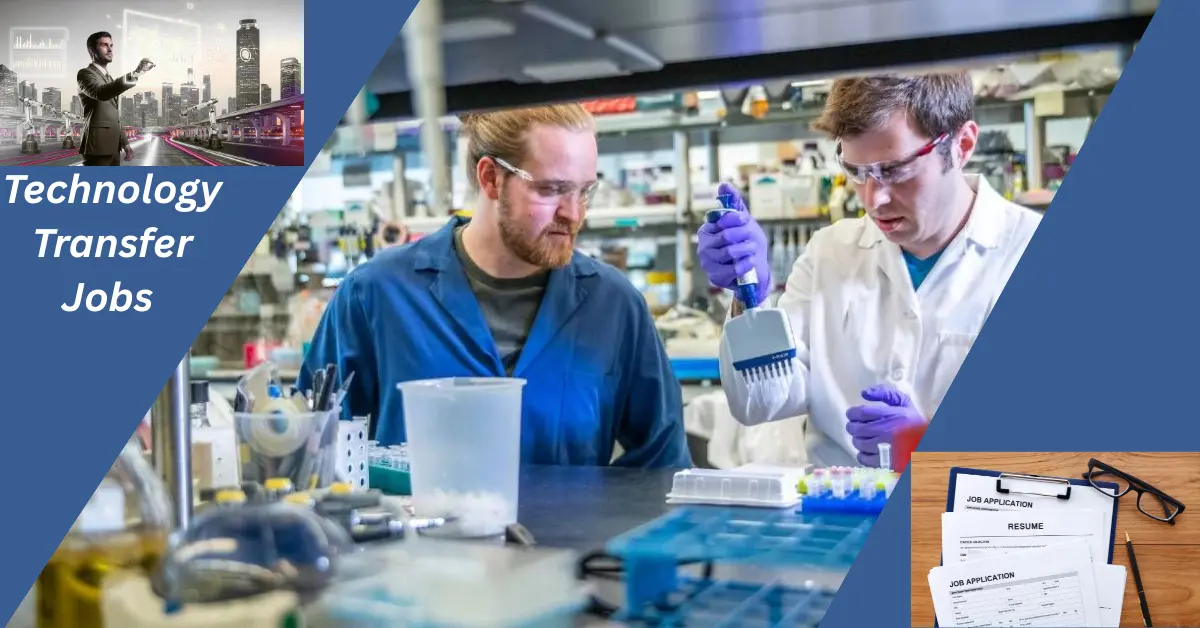
Technology transfer jobs play a crucial role in bridging the gap between innovative research and real-world applications. These positions involve facilitating the movement of new technologies from laboratories and research institutions to the commercial market, helping to turn scientific discoveries into products and services that benefit society. As industries continue to evolve rapidly and innovation becomes more central to economic growth, the demand for skilled professionals in technology transfer jobs is steadily increasing. Whether you have a background in science, law, or business, pursuing a career in this dynamic field offers exciting opportunities to contribute to cutting-edge advancements and drive technological progress.
What Are Technology Transfer Jobs?
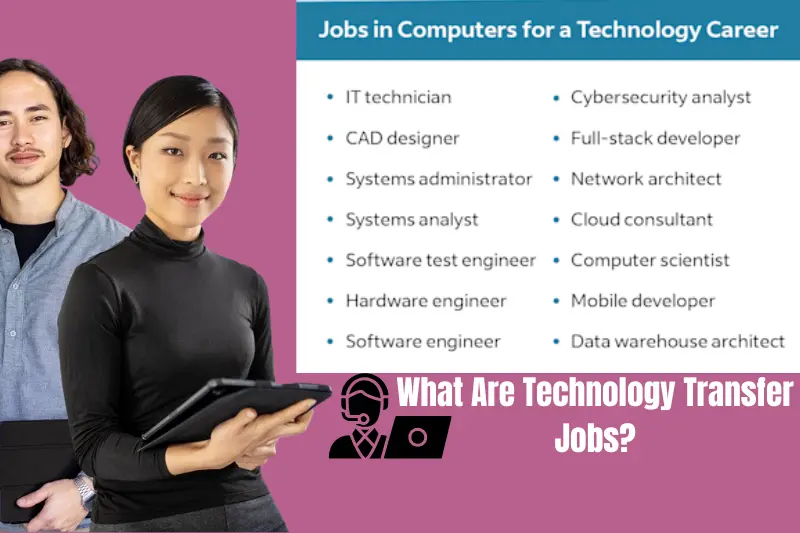
Technology transfer jobs involve the process of moving innovations and discoveries from research environments into commercial use. Professionals working in this field act as intermediaries between inventors, such as scientists and engineers, and businesses or organizations that can develop these inventions into market-ready products.
These roles typically include negotiating licensing agreements, managing intellectual property rights, and collaborating with legal teams, researchers, and business developers to ensure the successful commercialization of new technologies. Technology transfer jobs are essential in sectors like biotechnology, pharmaceuticals, information technology, and clean energy, where innovation drives competitive advantage.
Common job titles in this area include technology transfer officer, licensing specialist, and intellectual property manager. Each role focuses on different aspects of the transfer process but shares the common goal of fostering innovation through strategic partnerships and effective technology commercialization.
May be you like it:
How to Get Into Politics Without a Degree – A Step-by-Step Guide
Rehoboth Beach Breaking News Today – Latest Local Updates And Headlines
Breaking News Fayetteville NC – Latest Local News And Updates
Bob Seger Politics – Exploring the Rock Legend’s Views And Influence
How to Get Into Politics Without a Degree – Step-by-Step Guide
Types of Technology Transfer Jobs
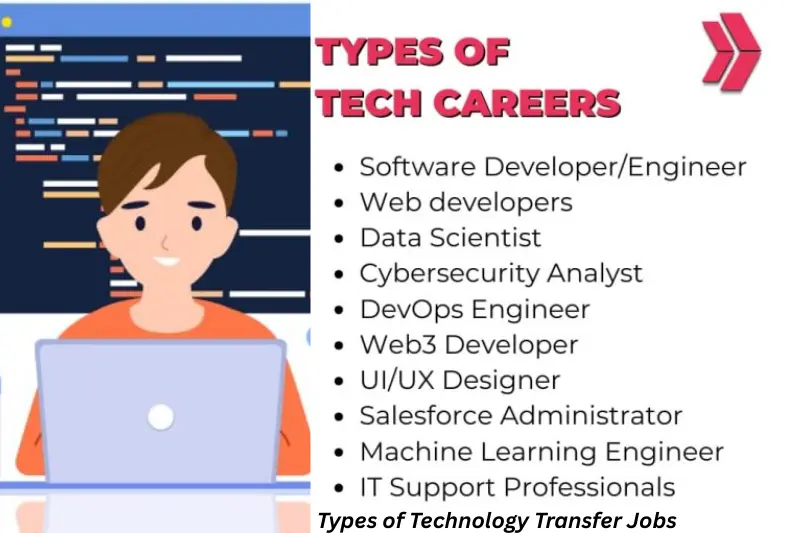
The field of technology transfer offers a variety of roles, each with its own focus and responsibilities. Here are some of the most common types of technology transfer jobs you might encounter:
- Technology Transfer Officer: These professionals oversee the entire technology transfer process, working closely with researchers and industry partners to identify promising inventions and facilitate their commercialization.
- Licensing Specialist: Focused on negotiating and managing licensing agreements, licensing specialists ensure that intellectual property rights are protected while enabling companies to legally use innovative technologies.
- Intellectual Property Manager: Responsible for managing patents, trademarks, and copyrights, IP managers help secure legal protection for new technologies and guide patent application processes.
- Research and Development Liaison: These roles bridge the communication gap between R&D teams and commercial partners, ensuring that technical knowledge is clearly conveyed and aligned with market needs.
- Business Development Manager: Often involved in technology transfer, these managers identify market opportunities, build strategic partnerships, and drive commercialization strategies.
Each of these roles plays a vital part in moving technology from the lab bench to the marketplace, and together they form a robust ecosystem supporting innovation.
Skills and Qualifications Needed
Technology transfer jobs require a unique combination of technical knowledge, legal understanding, and business acumen. Here are some of the key skills and qualifications that can help you succeed in this field:
- Educational Background: Most technology transfer professionals hold degrees in science, technology, engineering, or mathematics (STEM). Additionally, backgrounds in law, business, or intellectual property can be highly beneficial.
- Technical Expertise: A solid understanding of the technology or scientific field related to the inventions being transferred is crucial. This helps in evaluating the potential and feasibility of new innovations.
- Legal and Intellectual Property Knowledge: Familiarity with patent laws, copyrights, trademarks, and licensing agreements is essential. Many professionals pursue certifications such as the Certified Licensing Professional (CLP) credential to enhance their expertise.
- Communication and Negotiation Skills: Since technology transfer jobs involve working with inventors, legal teams, and business partners, strong interpersonal and negotiation abilities are critical for successfully closing deals and managing relationships.
- Project Management: Managing multiple projects, deadlines, and stakeholders requires effective organization and time management skills.
- Business Acumen: Understanding market trends, commercialization strategies, and business development principles is vital for turning technology into viable products.
By building these skills and gaining relevant qualifications, candidates can position themselves strongly for careers in technology transfer.
May be you like it:
Technology Transfer Jobs – Careers Skills Salary And How to Get Hired
Disruptive Technology Definition – Meaning Examples And Impact Explained
Smart Business Attire Male – The Ultimate Guide to Dressing Sharp for Men
Qatar Airline Business – Growth Services And Future Opportunities
Business Diet – How to Trim Waste and Boost Efficiency in 2025
Where to Find Technology Transfer Jobs
If you’re looking to start or advance your career in technology transfer jobs, knowing where to find these opportunities is key. Here are some of the most common places to look:
- Universities and Research Institutions: Many technology transfer jobs are based in academic settings, where professionals work to commercialize innovations developed by university researchers and students.
- Government Agencies: Agencies like the National Institutes of Health (NIH), Department of Energy (DOE), and others often have dedicated offices for technology transfer to manage federally funded research.
- Private Companies and Startups: Corporations involved in cutting-edge research, especially in biotech, pharmaceuticals, IT, and clean energy sectors, hire technology transfer professionals to handle intellectual property and innovation management.
- Technology Transfer Offices (TTOs): These specialized units within universities, government labs, or corporations focus solely on managing and licensing new technologies.
- Job Portals and Professional Networks: Websites like LinkedIn, Indeed, Glassdoor, and specialized platforms like AUTM Career Center or licensing industry groups often post technology transfer job openings. Networking through professional organizations such as AUTM (Association of University Technology Managers) can also be highly valuable.
By exploring these avenues, you can find a variety of technology transfer job listings suited to your skills and career goals.
How to Apply and Succeed in Technology Transfer Jobs
Landing a technology transfer job requires a combination of a strong application and strategic preparation. Here are some tips to help you stand out and succeed:
- Tailor Your Resume and Cover Letter: Highlight your relevant education, experience with technology or intellectual property, and any project management or negotiation skills. Use keywords like “technology transfer,” “licensing,” and “commercialization” to pass through applicant tracking systems (ATS).
- Showcase Your Technical and Business Knowledge: Employers look for candidates who understand both the science behind innovations and the business strategies needed to commercialize them. Be ready to discuss how your background equips you for this balance.
- Prepare for Interviews Thoroughly: Expect questions about your experience with patent processes, licensing agreements, and working with researchers or companies. Use examples to demonstrate your problem-solving and communication skills.
- Build a Professional Network: Attend industry conferences, webinars, and workshops, such as those hosted by AUTM or technology transfer associations. Networking can open doors to unadvertised opportunities and mentorship.
- Keep Learning and Getting Certified: Pursuing certifications like the Certified Licensing Professional (CLP) can boost your credibility. Stay updated on industry trends, patent law changes, and emerging technologies.
By applying these strategies, you can improve your chances of not only landing a technology transfer job but also thriving once you’re in the role.
Salary Expectations and Career Growth
Technology transfer jobs offer competitive salaries that reflect the specialized skills and important responsibilities involved in moving innovations to market. The exact compensation can vary depending on factors such as location, level of experience, education, and the employing organization.
- Average Salary Ranges: Entry-level positions in technology transfer typically start around $50,000 to $70,000 annually, while experienced professionals and managers can earn between $90,000 and $130,000 or more. Senior roles, especially in larger institutions or corporations, may exceed $150,000.
- Career Growth Opportunities: Technology transfer is a growing field with increasing demand for skilled professionals. As you gain experience, you can move into leadership roles such as Technology Transfer Director, Intellectual Property Manager, or Business Development Executive.
- Industry Outlook: With innovation driving economic growth across sectors like biotech, pharmaceuticals, clean energy, and IT, technology transfer jobs are expected to grow steadily. This trend offers long-term career stability and opportunities for advancement.
Investing in continuous learning and networking can accelerate your career progression, making technology transfer a rewarding and sustainable professional path.
May be you like it:
Neal McDonough Politics – Insights into His Political Views and Public Stance
Robeson County Breaking News Today – Latest Updates And Headlines
Binghamton Breaking News Today – Latest Updates And Headlines
Breaking News Ghana – Stay Updated with Latest Headlines
Challenges and Rewards of Technology Transfer Jobs
Technology transfer jobs can be both highly rewarding and challenging, offering a unique blend of intellectual stimulation and real-world impact.
Challenges
- Complex Negotiations: Negotiating licensing deals and intellectual property rights can be complex, requiring patience, legal knowledge, and strong negotiation skills.
- Balancing Interests: Professionals often need to balance the goals of researchers, commercial partners, and institutions, which can sometimes have conflicting priorities.
- Fast-Paced Environment: Keeping up with rapidly evolving technologies and changing patent laws requires continuous learning and adaptability.
- Uncertain Outcomes: Not every technology transfer effort results in a successful commercialization, which can be frustrating.
Rewards
- Impact on Innovation: Technology transfer professionals play a critical role in bringing breakthrough innovations to market, improving lives and advancing industries.
- Diverse Work Environment: The job offers variety, from legal and business dealings to scientific evaluation and relationship-building.
- Career Growth: The field is expanding, offering opportunities for professional development and leadership.
- Job Satisfaction: Helping inventors see their work make a tangible difference in the world can be highly fulfilling.
Despite the challenges, technology transfer jobs provide a dynamic career path for those passionate about innovation and technology commercialization.
Conclusion
Technology transfer jobs offer a unique and exciting career path for individuals passionate about innovation, science, and business. As the demand for skilled professionals in this field continues to grow, these roles provide valuable opportunities to bridge the gap between groundbreaking research and real-world applications. By understanding the types of technology transfer jobs available, developing the right skills, and knowing where to find and apply for these positions, you can position yourself for success in this dynamic industry.
If you’re ready to contribute to the advancement of technology and help shape the future, now is the perfect time to explore technology transfer jobs. Stay curious, keep learning, and take the next step toward a rewarding career in technology commercialization.
May be you like it:
First Birthday Entertainment Ideas – Fun And Safe Activities for Your Toddler’s Big Day
Feld Entertainment Inc Palmetto Photos -Stunning Event Galleries And Highlights
Five Dimensions Entertainment – Innovative Movies Events And Experiences
Media and Entertainment Investment Banking – Trends Opportunities And Insights
Asmongold Politics – How His Views Influence Gaming and Streaming Culture
