

Introduction
Is your business bloated with outdated processes, unused subscriptions, or too many middle managers?
In 2025, companies face mounting pressure from rising inflation, rapid technological disruption, and shifts in how and where people work. Traditional business models are being tested, and only those that adapt quickly will thrive. That’s why the idea of a business diet is more relevant than ever.
A business diet is a strategic approach to trimming excess—whether in operations, spending, or outdated systems. Just like a personal health regimen cuts unnecessary calories, this corporate method focuses on eliminating waste, improving operational efficiency, and streamlining decision-making. By following a corporate lean strategy and applying principles of modern business optimization, organizations can stay agile and competitive in today’s fast-changing economy.
What Is a Business Diet?

A business diet is a deliberate process companies use to identify and eliminate inefficiencies, reduce unnecessary costs, and optimize overall performance. Much like how a personal diet focuses on cutting out unhealthy foods, a business diet targets bloated processes, redundant roles, and excessive spending that weigh down growth and agility.
At its core, a business diet embraces principles of operational efficiency and corporate lean strategy, helping organizations focus resources on what truly drives value. This approach is not about drastic cuts but about thoughtful, strategic adjustments that promote modern business optimization—enabling companies to respond faster to market changes and improve profitability.
Implementing a business diet means continually evaluating workflows, technology stacks, and organizational structures to ensure every element contributes positively to the company’s goals.
May be you like it:
How to Get Into Politics Without a Degree – A Step-by-Step Guide
Rehoboth Beach Breaking News Today – Latest Local Updates And Headlines
Breaking News Fayetteville NC – Latest Local News And Updates
Bob Seger Politics – Exploring the Rock Legend’s Views And Influence
How to Get Into Politics Without a Degree – Step-by-Step Guide
Key Areas to Trim in Your Business Diet
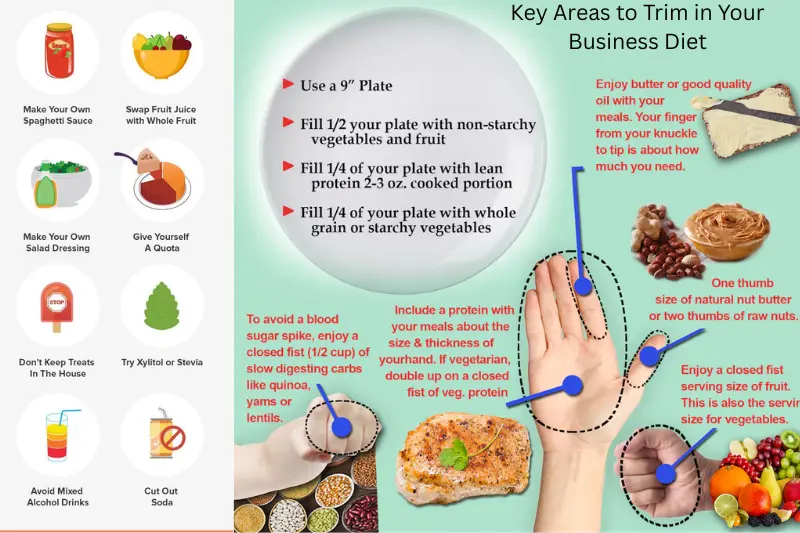
To successfully implement a business diet, companies need to focus on specific areas where waste and inefficiency tend to accumulate. Targeting these areas not only improves operational efficiency but also strengthens the company’s overall agility and profitability.
Outdated Processes
Legacy workflows often slow down decision-making and increase costs. Streamlining or automating repetitive tasks helps businesses stay lean and competitive.
Excessive Overhead
From unused software subscriptions to redundant administrative roles, trimming overhead expenses is critical in any corporate lean strategy.
Supply Chain Inefficiencies
Optimizing supply chain logistics and vendor relationships reduces delays and cuts unnecessary expenses.
Product or Service Lines
Evaluating which offerings are underperforming allows companies to focus on their core strengths and invest resources more wisely.
Technology Stack
Regularly reviewing and consolidating tech tools prevents overlap and simplifies operations, contributing to modern business optimization.
By focusing on these key areas, businesses can implement an effective business diet that supports sustainable growth and resilience in today’s fast-evolving marketplace.
May be you like it:
Technology Transfer Jobs – Careers Skills Salary And How to Get Hired
Disruptive Technology Definition – Meaning Examples And Impact Explained
Smart Business Attire Male – The Ultimate Guide to Dressing Sharp for Men
Qatar Airline Business – Growth Services And Future Opportunities
Business Diet – How to Trim Waste and Boost Efficiency in 2025
Benefits of a Business Diet
Adopting a business diet offers numerous advantages that help companies thrive in today’s challenging environment. By focusing on eliminating waste and optimizing operations, businesses can unlock greater value and build long-term resilience.
Increased Operational Efficiency
Reducing unnecessary steps and streamlining workflows enhances productivity, enabling teams to focus on high-impact tasks. This emphasis on operational efficiency helps companies do more with less.
Cost Savings
Trimming excess spending—from overhead to technology subscriptions—directly improves the bottom line. A well-executed corporate lean strategy ensures resources are allocated where they matter most.
Greater Agility
A leaner organization can adapt faster to market changes, technological disruptions, and evolving customer needs. This agility is critical for sustained success in 2025 and beyond.
Improved Focus
By shedding unprofitable products, redundant processes, or underperforming departments, businesses can concentrate on core strengths and strategic priorities, a key principle in modern business optimization.
Enhanced Employee Engagement
Streamlined operations and clearer roles reduce burnout and foster a more motivated workforce committed to the company’s goals.
Implementing a business diet not only strengthens financial health but also creates a culture of continuous improvement that positions companies for future growth.
How to Start Your Business Diet
Starting a successful business diet requires a structured approach focused on identifying inefficiencies and making targeted improvements. Here are key steps to begin trimming the excess and optimizing your operations:
Conduct a Comprehensive Audit
Begin by reviewing all aspects of your business—from workflows and expenses to technology and staffing. Look for outdated processes, redundant roles, and unused subscriptions. This audit forms the foundation for improving operational efficiency.
Prioritize High-Impact Areas
Focus on the areas where cuts or improvements will yield the greatest return. This could be automating repetitive tasks, renegotiating vendor contracts, or streamlining product lines as part of your corporate lean strategy.
Engage Stakeholders
Involve team leaders and employees in identifying bottlenecks and opportunities for simplification. Their insights are crucial for effective modern business optimization.
Implement Changes Gradually
Avoid drastic, sweeping cuts. Instead, roll out improvements in phases to minimize disruption and allow for adjustments based on real-world results.
Monitor and Iterate
Continuously track the impact of your changes using key performance indicators. A successful business diet is an ongoing process of evaluation and refinement to maintain lean, agile operations.
By following these steps, businesses can create a sustainable path to greater efficiency, cost savings, and adaptability in an ever-evolving market.
May be you like it:
Neal McDonough Politics – Insights into His Political Views and Public Stance
Robeson County Breaking News Today – Latest Updates And Headlines
Binghamton Breaking News Today – Latest Updates And Headlines
Breaking News Ghana – Stay Updated with Latest Headlines
Frequently Asked Questions (FAQs)
What does “business diet” mean?
A business diet is a strategic approach to reducing inefficiencies, eliminating waste, and optimizing operations to improve overall performance and agility.
How can a business diet improve operational efficiency?
By identifying and removing redundant processes, outdated systems, and unnecessary costs, businesses can streamline workflows and boost productivity.
Is a business diet the same as downsizing?
No. While downsizing focuses on reducing workforce, a business diet emphasizes improving processes, cutting waste, and reallocating resources for better results.
What are common areas to focus on in a business diet?
Key areas include outdated processes, excessive overhead, supply chain inefficiencies, underperforming products, and an overloaded technology stack.
How often should companies evaluate their business diet?
Business optimization is ongoing. Regular audits and continuous improvements help maintain lean operations and respond to market changes effectively.
Conclusion
In today’s fast-paced and unpredictable business environment, adopting a business diet is no longer optional—it’s essential. By trimming excess processes, cutting unnecessary costs, and focusing on core strengths, companies can improve operational efficiency, implement a corporate lean strategy, and embrace modern business optimization. This strategic approach helps businesses stay agile, competitive, and ready to seize new opportunities in 2025 and beyond. Start your business diet today to build a leaner, stronger organization poised for long-term success.
May be you like it:
First Birthday Entertainment Ideas – Fun And Safe Activities for Your Toddler’s Big Day
Feld Entertainment Inc Palmetto Photos -Stunning Event Galleries And Highlights
Five Dimensions Entertainment – Innovative Movies Events And Experiences
Media and Entertainment Investment Banking – Trends Opportunities And Insights
Asmongold Politics – How His Views Influence Gaming and Streaming Culture
