

Introduction
Can you enter politics without a degree?
Absolutely — and more people are doing it than you might think.
For decades, there’s been a widespread belief that a college degree—especially in political science, law, or public administration—is a mandatory step for launching a political career. While education can be a valuable tool, it’s far from the only path into politics. In fact, some of the most influential political leaders, both past and present, have built successful careers without holding a formal degree.
The truth is: politics is less about credentials and more about influence, leadership, communication, and community connection. Whether you’re passionate about local issues, want to make change at the national level, or simply feel called to serve, your ability to inspire, organize, and lead matters far more than your academic background.
This guide will walk you through how to get into politics without a degree—with real-world strategies, practical tips, and steps to start your journey today.
Do You Need a Degree to Be in Politics?
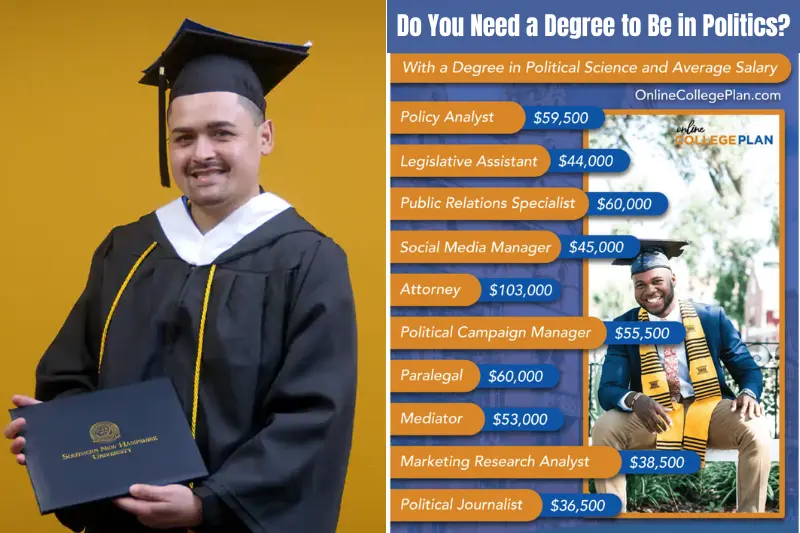
One of the most common questions for aspiring politicians is whether a college degree is a requirement to enter the political arena. The short answer is no — you do not need a degree to become involved in politics or even to run for public office.
In most countries, including the United States, there are no formal educational requirements for holding political office at the local, state, or national level. The legal requirements are typically age, residency, and citizenship — not academic qualifications.
Many people are surprised to learn that some successful political figures never earned a college degree. For example, Harry S. Truman, the 33rd President of the United States, never finished college. More recently, local leaders and grassroots activists have gained national attention without traditional educational credentials — proving that real-world experience, passion, and persistence can be just as powerful as a diploma.
What truly matters in politics is your ability to:
- Connect with people
- Understand community issues
- Propose practical solutions
- Lead with integrity
So if you’re wondering how to start a politics career without a degree, know this: your journey can begin now, with the resources and skills you already have.
May be you like it:
How to Get Into Politics Without a Degree – A Step-by-Step Guide
Rehoboth Beach Breaking News Today – Latest Local Updates And Headlines
Breaking News Fayetteville NC – Latest Local News And Updates
Bob Seger Politics – Exploring the Rock Legend’s Views And Influence
How to Get Into Politics Without a Degree – Step-by-Step Guide
Key Skills You Need to Succeed in Politics
Even without a formal education, you can thrive in politics if you focus on developing the right core skills. Politics is ultimately about people — and the ability to lead, communicate, and build trust will take you much further than any diploma.
Here are the essential skills needed in politics that you can develop outside the classroom:
Communication
Whether it’s public speaking, writing policy proposals, or simply listening to constituents, clear and persuasive communication is vital. Great politicians know how to connect with people from all walks of life.
Leadership
You don’t need a title to be a leader. Start by taking initiative in your community, leading a cause, or organizing events. Leadership is built through action, not academic credits.
Critical Thinking
Politics often involves solving complex problems. Being able to analyze situations, weigh different perspectives, and make smart decisions is crucial — and these are skills you can learn through experience, reading, and active engagement.
Negotiation & Conflict Resolution
Disagreements are inevitable in politics. Knowing how to negotiate compromises and resolve conflicts respectfully can set you apart as a capable and mature leader.
Empathy
Understanding the struggles, hopes, and needs of your community helps you create policies that actually serve people. Empathy builds trust — and trust builds support.
Organization & Time Management
From attending meetings to running campaigns, managing time and responsibilities is essential. The more organized you are, the more effective you’ll be.
Good to know: Many of these skills are developed through volunteering, community work, activism, and real-life experiences — not through textbooks or degrees.
Start with Community Involvement
If you’re wondering how to get into politics without a degree, the best place to start is in your own backyard — your community.
Politics doesn’t begin at the national level; it starts locally, with the people and places you interact with every day. By getting involved in local issues, you build real-world experience, name recognition, and the trust of your neighbors — all of which are key ingredients for a future in politics.
May be you like it:
Technology Transfer Jobs – Careers Skills Salary And How to Get Hired
Disruptive Technology Definition – Meaning Examples And Impact Explained
Smart Business Attire Male – The Ultimate Guide to Dressing Sharp for Men
Qatar Airline Business – Growth Services And Future Opportunities
Business Diet – How to Trim Waste and Boost Efficiency in 2025
Ways to Get Involved in Your Community:
- Attend Local Government Meetings
City council meetings, school board sessions, and town halls are open to the public. Attending them helps you learn how decisions are made and gives you a chance to speak on issues you care about. - Join Civic Groups or Neighborhood Associations
Whether it’s a local tenants’ union, a community clean-up group, or a cultural organization, these groups offer a great way to network and lead at the grassroots level. - Organize Events or Campaigns
You don’t need permission to start making change. Organize a petition, host a public forum, or start a community initiative around a local issue. Leadership starts with action. - Volunteer for Local Projects
From food banks to youth programs, volunteering shows commitment to your community and gives you insight into the challenges people face.
Why it matters: Getting involved locally allows you to build credibility, demonstrate leadership, and understand the real needs of your community — all without needing a formal education.
Build Your Network in the Political World
In politics, who you know is often just as important as what you know. Building genuine relationships can open doors, provide mentorship, and connect you to opportunities you might not find on your own — especially if you’re entering the field without a degree.
Networking doesn’t require a fancy background. It just requires consistency, authenticity, and strategic action.
May be you like it:
Neal McDonough Politics – Insights into His Political Views and Public Stance
Robeson County Breaking News Today – Latest Updates And Headlines
Binghamton Breaking News Today – Latest Updates And Headlines
Breaking News Ghana – Stay Updated with Latest Headlines
How to Start Building Your Political Network:
- Connect with Local Leaders
Reach out to city council members, school board officials, or local activists. Attend their public events, ask questions, and offer to help. Most political figures are open to meeting engaged citizens, especially those willing to volunteer. - Attend Political Events and Town Halls
These are prime opportunities to meet people who are already involved in the political space — candidates, campaign staff, journalists, and community leaders. - Use Social Media Strategically
Platforms like X (formerly Twitter) and LinkedIn are full of political conversations and opportunities. Follow local politicians, engage respectfully, share your thoughts on issues, and start building your presence. - Volunteer on Campaigns
This is one of the fastest ways to get inside a political network. Campaign teams need people to knock on doors, phone bank, and organize events — and often, volunteers are the first to be considered when paid positions open up. - Find a Mentor
Mentors can guide you, introduce you to the right people, and help you avoid common mistakes. Don’t be afraid to ask someone you admire for a quick coffee or call — most successful people are happy to give back.
Pro Tip: Always approach networking with the mindset of how you can add value, not just what you can get. This builds trust — and long-term political relationships.
Volunteer and Work on Campaigns
One of the most effective ways to get into politics without a degree is by volunteering on political campaigns. Campaigns are fast-paced, hands-on, and constantly in need of motivated people — making them the perfect training ground for aspiring politicians and political staffers.
Even entry-level roles can lead to powerful connections and experience that help launch your political journey.
Why Campaign Volunteering Matters:
- You learn how political strategy works from the inside.
- You meet candidates, advisors, and community leaders.
- You gain practical skills like voter outreach, organizing events, and communication.
- You start building your reputation and credibility in the political world.
Types of Roles You Can Take On:
- Canvassing
Knock on doors, engage with voters, and promote the candidate’s platform — a great way to build communication skills. - Phone Banking & Voter Outreach
Help reach potential voters over the phone or text. You’ll learn how to talk about issues clearly and persuasively. - Social Media & Digital Content
If you’re good with Instagram, X (Twitter), or TikTok, your digital skills are valuable to campaigns — even if you’ve never taken a political science class. - Event Coordination
Assist with setting up rallies, fundraisers, or community meetings. It’s a great way to practice leadership and logistics. - Administrative Support
Behind-the-scenes work like data entry, scheduling, and coordinating volunteers is crucial — and helps you build trust with campaign staff.
Important: Many campaign staffers — and even candidates — started as unpaid volunteers. If you show up consistently and contribute value, people will notice. Politics rewards initiative and loyalty, not just degrees.
Use Alternative Education and Learning Platforms
While you might not have a college degree, that doesn’t mean you can’t educate yourself on politics, policy, leadership, and public service. In fact, many successful political figures are self-taught, constantly learning through experience, reading, and online resources.
Today, there are more free or low-cost learning tools than ever before — making it easier to build your knowledge base and stay informed.
Top Ways to Learn About Politics Without a Degree:
- Online Courses & Webinars
Websites like Coursera, edX, Khan Academy, and FutureLearn offer courses on political science, public policy, communication, leadership, and government — often for free or a small fee. - Podcasts and YouTube Channels
Political podcasts and YouTube channels break down current events, campaign strategies, and government processes in an easy-to-understand way. Great for learning on the go. - Books & Biographies
Reading books about political leaders, movements, and campaigns can help you understand how real political change happens. Biographies also show you how others rose to power — often without elite educational backgrounds. - News & Opinion Columns
Stay informed by following reputable news sources. Understanding current events, debates, and legislative developments is key to being taken seriously in political circles. - Political Forums and Discussion Groups
Engage in debates, ask questions, and build your understanding through community discussions on platforms like Reddit (r/PoliticalDiscussion), Quora, or even Facebook groups.
Tip: You don’t need a professor — you need a mindset of curiosity and commitment. The more you learn, the more confident and credible you become in political spaces.
Consider Running for a Local Office
You don’t need a degree to be a leader — and you certainly don’t need one to run for public office. In fact, some of the most effective public servants began their political careers by running for small, local positions where passion and dedication matter more than credentials.
Running for local office is one of the most direct ways to enter the political arena — and it’s more accessible than many people think.
What Local Offices Can You Run For Without a Degree?
- City or Town Council
- School Board
- County Commissioner
- Parks or Utility Board
- Local Advisory Committees
- Neighborhood Associations
These roles often have minimal legal requirements — usually age, residency, and voter registration — but no educational requirements.
Steps to Run for Local Office:
- Identify the Right Position
Choose a position that aligns with your experience, interests, or community concerns. Start where you can make the most immediate impact. - Learn the Legal Requirements
Visit your city or county election office website to find filing deadlines, signature requirements, and other basic rules. - Build a Grassroots Campaign
Use your network and community connections to gather support. Many first-time candidates run successful campaigns with small budgets by focusing on door-to-door outreach, local events, and social media engagement. - Fundraise Effectively
You don’t need big donors to start. Fundraising platforms like GoFundMe or ActBlue allow you to raise small donations from friends, family, and supporters. - Get Help from Volunteers
Rally your community! People who know and trust you will often be eager to help with your campaign if you’re running for the right reasons.
Real Talk: Voters care more about whether you understand their needs than where (or if) you went to school. Authenticity, effort, and connection win local elections.
Common Mistakes to Avoid
Starting a political career without a degree can be daunting, but knowing what pitfalls to watch out for will make your journey smoother and more successful. Here are some common mistakes many newcomers make — and how you can avoid them:
Overestimating the Need for Formal Education
Many people believe a degree is a hard requirement for politics. This mindset can hold you back before you even start. Focus instead on building experience, skills, and relationships.
Neglecting Grassroots Involvement
Jumping straight to running for office without first engaging with your community can hurt your chances. Grassroots support is the foundation of any political career.
Ignoring Networking Opportunities
Politics is a people-driven field. Failing to build genuine relationships with mentors, activists, and local leaders can leave you isolated and limit your opportunities.
Trying to Do Everything Alone
Running a campaign or starting in politics is a team effort. Don’t be afraid to ask for help, delegate tasks, and build a volunteer base.
Underestimating the Power of Communication
If you’re not confident in your communication skills, work on them early. Politics is about persuasion and connection — without these, it’s hard to gain supporters.
Failing to Stay Informed
Politics changes rapidly. Staying out of touch with current events and local issues can make your message irrelevant or out of date.
Remember: Success in politics comes from persistence, authenticity, and continuous learning — not from a degree. Avoid these common mistakes, and you’ll set yourself up for a strong start.
Conclusion
Getting into politics without a degree is not just possible — it’s happening every day. While formal education can be helpful, it’s far from a requirement. What truly matters are your passion, dedication, skills, and willingness to engage with your community.
By building the right skills, volunteering, networking, and starting locally, you can create a meaningful political career from the ground up. Remember, politics is about serving people — and voters care most about authenticity and results, not your resume.
So if you’ve been wondering how to get into politics without a degree, now is the time to take the first step. Get involved, learn continuously, connect with others, and don’t be afraid to run for local office. Your voice matters, and your impact can be real.
Start your political journey today — because the world needs leaders like you.
May be you like it:
First Birthday Entertainment Ideas – Fun And Safe Activities for Your Toddler’s Big Day
Feld Entertainment Inc Palmetto Photos -Stunning Event Galleries And Highlights
Five Dimensions Entertainment – Innovative Movies Events And Experiences
Media and Entertainment Investment Banking – Trends Opportunities And Insights
Asmongold Politics – How His Views Influence Gaming and Streaming Culture
