

Introduction
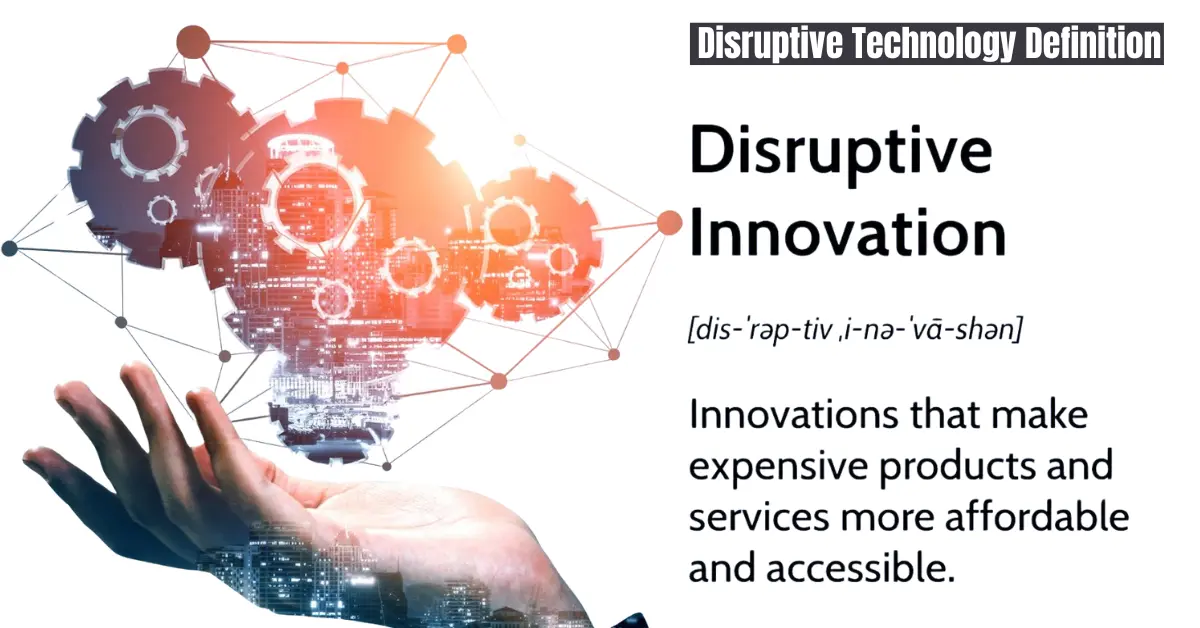
Disruptive technology is transforming the way we live, work, and interact with the world around us. At its core, the disruptive technology definition refers to innovations that significantly alter or replace existing technologies, industries, or markets by offering simpler, more affordable, and accessible solutions. Unlike incremental improvements, disruptive technologies create new value networks, often challenging established businesses and changing consumer behaviors.
In today’s fast-paced digital age, understanding disruptive technology is essential for businesses, entrepreneurs, and consumers alike. As innovation accelerates, staying informed about these game-changing technologies can help you adapt, compete, and thrive in an ever-evolving landscape.
What is Disruptive Technology?
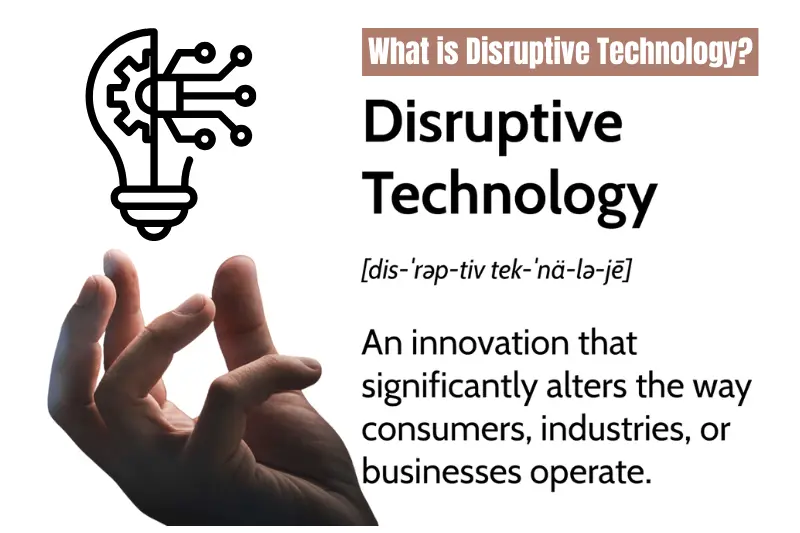
Disruptive technology can be defined as an innovation that fundamentally changes the way industries operate, often displacing established technologies and market leaders. Unlike sustaining technologies, which improve existing products or services incrementally, disruptive technologies create entirely new markets or reshape existing ones by making products and services more accessible and affordable.
For example, the disruptive technology definition includes innovations like the internet and smartphones, which have revolutionized communication and access to information worldwide. Understanding the distinction between disruptive and sustaining technology is crucial for recognizing how these innovations drive economic and social change.
May be you like it:
How to Get Into Politics Without a Degree – A Step-by-Step Guide
Rehoboth Beach Breaking News Today – Latest Local Updates And Headlines
Breaking News Fayetteville NC – Latest Local News And Updates
Bob Seger Politics – Exploring the Rock Legend’s Views And Influence
How to Get Into Politics Without a Degree – Step-by-Step Guide
Characteristics of Disruptive Technology
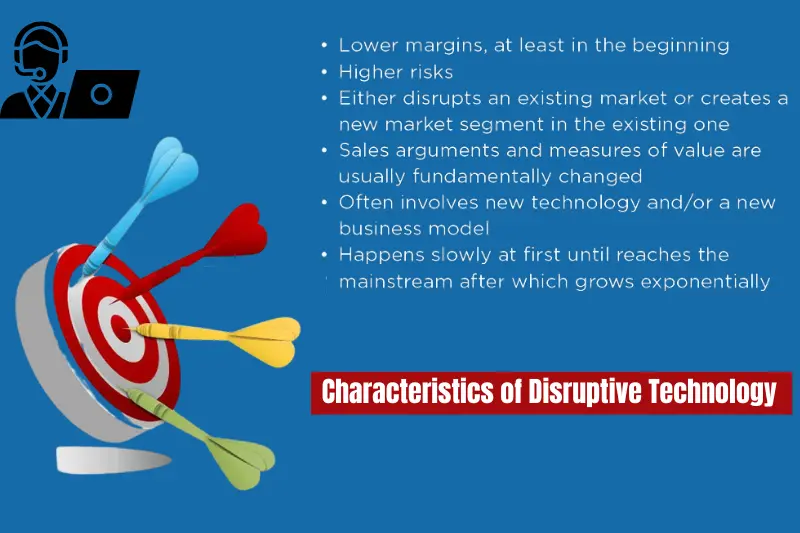
Disruptive technologies share several key characteristics that enable them to transform industries and markets:
- Affordability: They often start as lower-cost alternatives to existing solutions, making them accessible to a broader audience.
- Simplicity: Disruptive technologies tend to be easier to use or adopt, lowering barriers for new users.
- Accessibility: They open up new markets by reaching underserved or previously unserved customers.
- Initial Lower Performance: At the outset, disruptive technologies may not match the performance of established products but improve rapidly over time.
- Market Creation: Instead of just improving existing products, they create new demand and markets that didn’t previously exist.
Examples include digital photography disrupting film cameras and streaming services changing the way we consume entertainment. These features highlight why disruptive innovations can challenge established players and drive significant change.
. Examples of Disruptive Technologies
Throughout history, disruptive technologies have reshaped industries and altered the course of innovation. Here are some prominent examples:
- The Internet: Revolutionized communication, commerce, and information sharing, creating new markets like e-commerce and social media.
- Smartphones: Transformed how we connect, work, and entertain ourselves, making mobile computing accessible to billions.
- Cloud Computing: Enabled businesses to scale IT resources efficiently, reducing costs and increasing flexibility.
- Artificial Intelligence (AI): Changing sectors from healthcare to finance by automating tasks and improving decision-making.
- Blockchain: Offering decentralized and secure transaction methods, disrupting finance, supply chains, and more.
- Electric Vehicles (EVs): Challenging traditional automotive industries by promoting sustainable, technology-driven transportation.
These examples illustrate how disruptive technologies not only replace old products but often create entirely new industries and business models, demonstrating the true power behind the disruptive technology definition.
May be you like it:
Technology Transfer Jobs – Careers Skills Salary And How to Get Hired
Disruptive Technology Definition – Meaning Examples And Impact Explained
Smart Business Attire Male – The Ultimate Guide to Dressing Sharp for Men
Qatar Airline Business – Growth Services And Future Opportunities
Business Diet – How to Trim Waste and Boost Efficiency in 2025
How Disruptive Technologies Impact Industries
Disruptive technologies have a profound effect on industries by changing how businesses operate, compete, and deliver value. They often force companies to rethink traditional business models or risk becoming obsolete.
- Retail: E-commerce platforms like Amazon disrupted brick-and-mortar stores by offering convenience, variety, and competitive pricing.
- Finance: Fintech innovations such as mobile payments and cryptocurrencies are transforming banking and financial services, increasing accessibility and reducing costs.
- Healthcare: Telemedicine and AI-powered diagnostics are improving patient care while reducing costs and expanding reach.
- Transportation: Ride-sharing apps and electric vehicles are reshaping urban mobility and environmental impact.
These disruptions create both opportunities and challenges, compelling industries to innovate rapidly or lose market share. By understanding the disruptive technology definition and its impact, businesses can better prepare for and leverage these changes to their advantage.
. Benefits and Challenges of Disruptive Technology
Disruptive technologies bring significant advantages but also pose challenges that businesses and societies must navigate.
Benefits
- Innovation and Growth: They drive new ideas and open up markets, leading to economic growth.
- Improved Accessibility: Disruptive tech often lowers costs, making products and services available to more people.
- Enhanced Customer Experience: They provide faster, more convenient, and personalized solutions.
- Increased Efficiency: Automation and digitalization reduce time and resources needed for tasks.
- Challenges:
- Market Resistance: Established players may resist change to protect their market share.
- Regulatory and Ethical Issues: New technologies can raise concerns around privacy, security, and fairness.
- Job Displacement: Automation and innovation may lead to workforce disruptions.
Uncertainty: Rapid change can create uncertainty for businesses and consumers.
Understanding these benefits and challenges is crucial to successfully adapting to disruptive technologies and harnessing their full potential.
May be you like it:
Neal McDonough Politics – Insights into His Political Views and Public Stance
Robeson County Breaking News Today – Latest Updates And Headlines
Binghamton Breaking News Today – Latest Updates And Headlines
Breaking News Ghana – Stay Updated with Latest Headlines
How to Identify and Adapt to Disruptive Technology
Recognizing disruptive technology early and adapting to it can be the key to staying competitive in today’s fast-evolving market.
How to Identify Disruptive Technology
- Monitor Emerging Trends: Stay updated on technological advancements and industry innovations.
- Listen to Underserved Markets: Disruptive technologies often start by targeting niche or overlooked customer segments.
- Evaluate Simplicity and Affordability: Innovations that lower barriers to entry or reduce costs may signal disruption.
- Assess Potential for Market Creation: Look for technologies that can open new markets rather than just improve existing ones.
How to Adapt
- Embrace Innovation: Encourage experimentation and invest in R&D to explore disruptive ideas.
- Be Agile: Develop flexible strategies that allow quick pivots and adaptation to new technologies.
- Collaborate: Partner with startups, tech innovators, or academic institutions to stay ahead.
- Educate and Upskill: Train employees to work with new technologies and foster a culture of continuous learning.
By proactively identifying and adapting to disruptive technologies, businesses and individuals can turn potential threats into opportunities for growth and success.
The Future of Disruptive Technology
As technology continues to evolve at an unprecedented pace, the future holds exciting possibilities for new disruptive innovations. Emerging fields like quantum computing, advanced AI, augmented reality, and biotechnology are poised to redefine industries and daily life even further.
The continued integration of these technologies promises to enhance productivity, solve complex global challenges, and create new economic opportunities. However, it also raises questions about privacy, security, and ethical considerations that society will need to address.
By understanding the disruptive technology definition and staying informed about future trends, businesses and individuals can better prepare for the changes ahead, ensuring they remain competitive and resilient in a rapidly shifting landscape.
Conclusion
In summary, understanding the disruptive technology definition is essential in today’s dynamic world. Disruptive technologies have the power to transform industries, create new markets, and reshape how we live and work. While they bring significant benefits such as innovation and accessibility, they also present challenges that require careful navigation. By staying informed and adapting proactively, businesses and individuals can harness the power of disruptive technology to thrive in an ever-changing environment.
May be you like it:
First Birthday Entertainment Ideas – Fun And Safe Activities for Your Toddler’s Big Day
Feld Entertainment Inc Palmetto Photos -Stunning Event Galleries And Highlights
Five Dimensions Entertainment – Innovative Movies Events And Experiences
Media and Entertainment Investment Banking – Trends Opportunities And Insights
Asmongold Politics – How His Views Influence Gaming and Streaming Culture
