

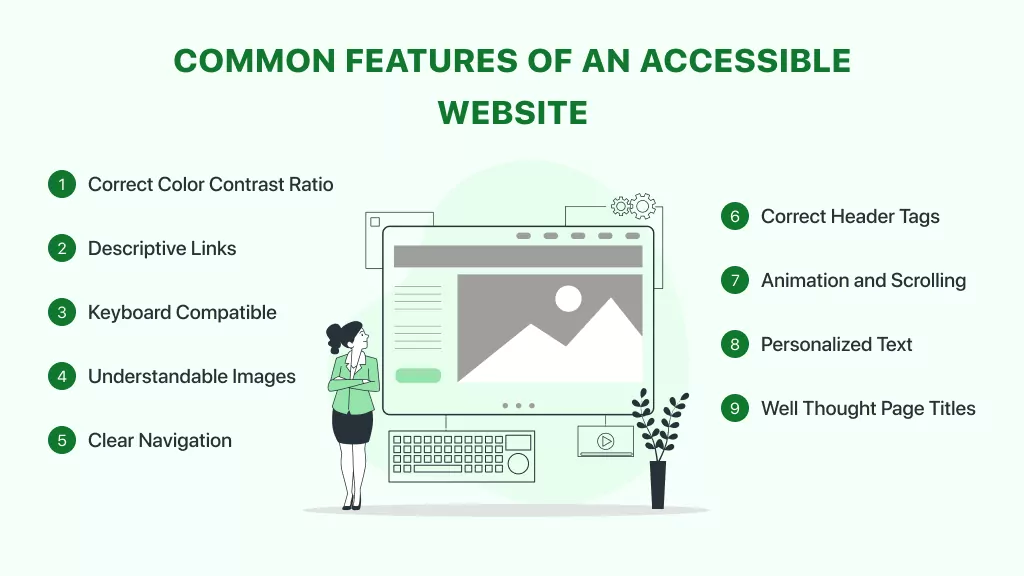
Introduction: Creating a More Inclusive Digital World
The internet has become an essential part of everyday life, allowing people to learn, work, communicate, shop, and access important services. However, not every user experiences websites and online platforms in the same way. People with visual, hearing, mobility, cognitive, or other accessibility needs may face challenges when navigating digital spaces that are not designed with inclusivity in mind. Improving online accessibility ensures that more people can participate fully in the digital world.
Modern websites should focus on creating experiences that are simple, flexible, and easy to use for everyone. Whether businesses, organizations, or individuals are building a new platform, accessibility should be considered from the beginning rather than added later. Resources such as singatoto demonstrate how online platforms can be part of a broader digital environment where usability and accessibility are important considerations.
Understanding the Importance of Online Accessibility
Online accessibility means designing websites, applications, and digital content so that people of all abilities can access and interact with them effectively. Accessibility is not only about supporting people with disabilities; it also improves the overall experience for every user.
A website with clear navigation, readable content, responsive design, and organized information benefits everyone. For example, captions on videos help people with hearing difficulties, but they also help users watching content in noisy environments. Similarly, simple layouts assist users with cognitive challenges while also making websites easier for everyone to understand.
Accessibility creates equal opportunities by removing unnecessary barriers. When digital platforms are accessible, more people can engage with content, products, and services without frustration.
Use Clear and Simple Website Navigation
One of the most effective ways to improve online accessibility is by creating simple and logical navigation. Users should be able to find important information quickly without confusion.
Websites should include:
- Clear menu structures
- Descriptive page titles
- Consistent navigation elements
- Easy-to-find search features
- Logical content organization
Complex navigation systems can make it difficult for users with disabilities to explore a website. A simple structure allows visitors to understand where they are and where they need to go next.
Buttons and links should also have meaningful labels. Instead of using vague phrases like “click here,” websites should use descriptive text that explains the purpose of the link.
Improve Website Readability and Content Structure
Readable content plays a major role in accessibility. Large blocks of text, complicated language, and poor formatting can create difficulties for many users.
To improve readability, websites should:
- Use clear headings and subheadings
- Break long paragraphs into smaller sections
- Choose easy-to-read fonts
- Maintain sufficient text spacing
- Use straightforward language
Proper heading structures also help screen reader users understand the organization of a page. Headings should follow a logical order, allowing assistive technologies to identify different sections easily.
Content creators should avoid unnecessary technical terms and explain ideas in a way that is understandable for a wider audience.
Provide Alternative Text for Images
Images are an important part of modern websites, but they can create barriers for users who rely on screen readers. Adding alternative text, commonly known as alt text, helps describe images so that visually impaired users can understand their purpose.
Effective alt text should:
- Clearly describe the image
- Explain important details
- Avoid unnecessary descriptions
- Provide context when needed
For example, instead of writing “image,” a better description would explain what the image shows and why it is relevant.
Accessible image practices improve user experience and help ensure that visual information is available to everyone.
Make Videos and Audio Content Accessible
Multimedia content has become increasingly popular online, but videos and audio files should be designed with accessibility in mind.
Helpful improvements include:
- Adding captions to videos
- Providing transcripts for audio content
- Including audio descriptions when necessary
- Ensuring media controls are easy to use
Captions allow people with hearing difficulties to follow video content, while transcripts provide an alternative way to access information. They also benefit users who prefer reading instead of listening.
Accessible multimedia allows content creators to reach a larger audience and provide a better experience.
Focus on Color and Visual Design Choices
Visual design can strongly affect accessibility. Poor color combinations, small text sizes, or unclear visual elements can make websites difficult to use.
Designers should consider:
- Strong contrast between text and backgrounds
- Avoiding color as the only way to communicate information
- Adjustable text sizes
- Clear visual indicators
For example, if a form error is shown only through a red color change, some users may not recognize the problem. Adding text explanations or symbols creates a more inclusive experience.
Good design balances creativity with usability, ensuring that websites remain attractive while still being accessible.
Ensure Keyboard-Friendly Website Features
Many users navigate websites without a mouse. People with mobility challenges often rely on keyboards or assistive devices to interact with digital platforms.
Websites should allow users to:
- Navigate menus using keyboard controls
- Access buttons and forms easily
- See visible focus indicators
- Complete tasks without requiring mouse actions
Keyboard accessibility is an important part of inclusive web development. If users cannot move through a website without a mouse, they may be unable to access important features.
Testing websites with keyboard navigation can reveal problems that may otherwise go unnoticed.
Optimize Websites for Screen Readers
Screen readers help visually impaired users interact with digital content by converting text into speech. However, websites must be properly structured for these tools to work effectively.
Important practices include:
- Using proper HTML elements
- Adding labels to forms
- Describing interactive elements
- Avoiding unnecessary technical barriers
Developers should ensure that buttons, menus, and forms provide accurate information to assistive technologies.
A well-structured website allows screen readers to deliver information naturally and efficiently.
Create Responsive and Flexible Designs
People access websites through different devices, including computers, tablets, and smartphones. Responsive design ensures that websites adjust properly across different screen sizes.
Accessibility improves when websites provide:
- Flexible layouts
- Readable mobile designs
- Touch-friendly controls
- Adjustable display options
A responsive website is easier to use for people with different preferences and abilities. It also improves convenience for users who may need larger text or simplified layouts.
Test Accessibility Regularly
Accessibility should be an ongoing process rather than a one-time task. Websites can develop problems as new content, features, and updates are added.
Regular testing can include:
- Automated accessibility checks
- Manual reviews
- User feedback
- Testing with assistive technologies
Automated tools can identify common issues, but real user testing provides valuable insights into actual experiences. Including people with different accessibility needs in testing helps organizations discover challenges that may not be obvious.
Train Teams About Accessibility Practices
Accessibility becomes more successful when everyone involved in digital projects understands its importance. Designers, developers, writers, and marketers all contribute to creating inclusive online experiences.
Training teams about accessibility helps them:
- Understand user needs
- Follow accessibility guidelines
- Create better content
- Avoid common mistakes
When accessibility becomes part of an organization’s culture, it becomes easier to maintain consistent quality across all digital platforms.
Follow Accessibility Standards and Guidelines
Following recognized accessibility standards helps websites create reliable and inclusive experiences. Guidelines provide practical recommendations for improving usability and reducing barriers.
Common areas covered by accessibility standards include:
- Website structure
- Content presentation
- Navigation methods
- Multimedia accessibility
- User interaction
Using these guidelines during planning and development makes accessibility easier to achieve and maintain.
Benefits of Better Online Accessibility
Improving accessibility provides advantages for both users and organizations. Accessible websites can reach a wider audience, improve customer satisfaction, and create stronger digital experiences.
Key benefits include:
- Increased user engagement
- Better search visibility
- Improved reputation
- Greater customer trust
- More inclusive communication
Accessibility also encourages innovation because designers and developers must think creatively about different ways people interact with technology.
Conclusion: Building Digital Experiences for Everyone
Online accessibility is an important part of creating a modern and inclusive digital environment. Websites should not only focus on appearance and functionality but also consider the needs of all users. Simple navigation, readable content, accessible media, responsive design, and proper testing all contribute to better online experiences.
As technology continues to develop, accessibility will remain a key factor in successful digital platforms. By adopting inclusive practices, businesses and creators can ensure that more people can participate, connect, and benefit from the opportunities available online. A more accessible internet is a better internet for everyone.
